Real Estate Updates

Last December 17, 2015, Appraiser Gus Agosto attended the Philippine Association of Realty Consultants & Specialists (PARCS) Annual Election and Membership Meeting held at Tiara Hotel in Makati City, Metro Manila. The guest speaker is no other than the Chairman of Philippine Regulatory Board of Real Estate Service (PRBRES) Eduardo G. Ong. On this occasion he  announced the following:

  1. There will be six (6) real estate examinations in 2016. Two for Real Estate Brokers, two for real estate appraisers and 2 for Consultants.
  2. Those who flunk the previous exams can take the exams but the Board is considering to limit the number of times one can retake exams.
  3. CPD conduct will now be regulated.
  4. The Board will conduct monitoring in mall exhibits for licensing and accreditation compliance of practitioners.
  5. Other matters like resa amendments, aipo, APEC, ASEAN and bsrem were also discussed.

“These developments will greatly help the real estate industry”. re-elected PARCS EVP, Bong Labrador said.  “With the recent announcement of the Chairman, the landscape of real estate practice is evolving towards advancement and will greatly enhance the capabilities of practitioners comes ASEAN,” Appraiser Gus opined.

PARCS on the other hand, will continue in raising the standard of its members thru educations and organizational strengthening and  contribute to the industry’s surging forward.

SME and the Valuation Standard

zzq9wVj4_400x400On Tuesday, Nov. 17, the Asia Pacific Economic Cooperation (APEC) kicked-off the Small and Medium Enterprise (SME) Summit 2015, with the theme, “Innovation and Big Ideas: Pushing Boundaries” that aims to challenge the traditional framework and mindset of micro and SMEs to further innovate their businesses.

SME is the engine of growth and innovation in APEC. It comprises over 97 percent of enterprises in the region; over half of the total workforce in APEC member economies; 20 to 50 percent share to GDP; and contributes up to 35 percent of direct exports.

The process of innovation of business requires new mindset and building of credibility of their businesses. The International Valuation Standards Council (IVSC) has recognized this demand and considers it critically important to build valuation expertise and capacity through the application of consistent standards and to continue to develop a globally respected valuation profession to apply these standards with the required vigor and coherence. Having uniform valuation standards in place ensures that the environment in which SMEs operate is fair and encourages healthy competition within and across borders.

The global application of clear valuation standards can benefit SMEs and companies of all sizes in a number of ways. Practitioners, alongside their clients, liaise with a variety of third-party organizations, such as banks, grant funders, and other external parties involved in various transactions. In order to meet their expectations and develop meaningful relationships based on mutual trust, the companies need to demonstrate a high level of credibility. The consistent application of fair value measurement implemented by well-qualified valuation practitioners is an important means for achieving this goal.

All parties involved in the business process should be involve in the education on the importance of valuations standards, which, once applied, help companies to operate in a more accountable and transparent way. As such, valuation standards ultimately can improve companies’ reputation and positioning in the marketplace.

Metro Manila Appraisal

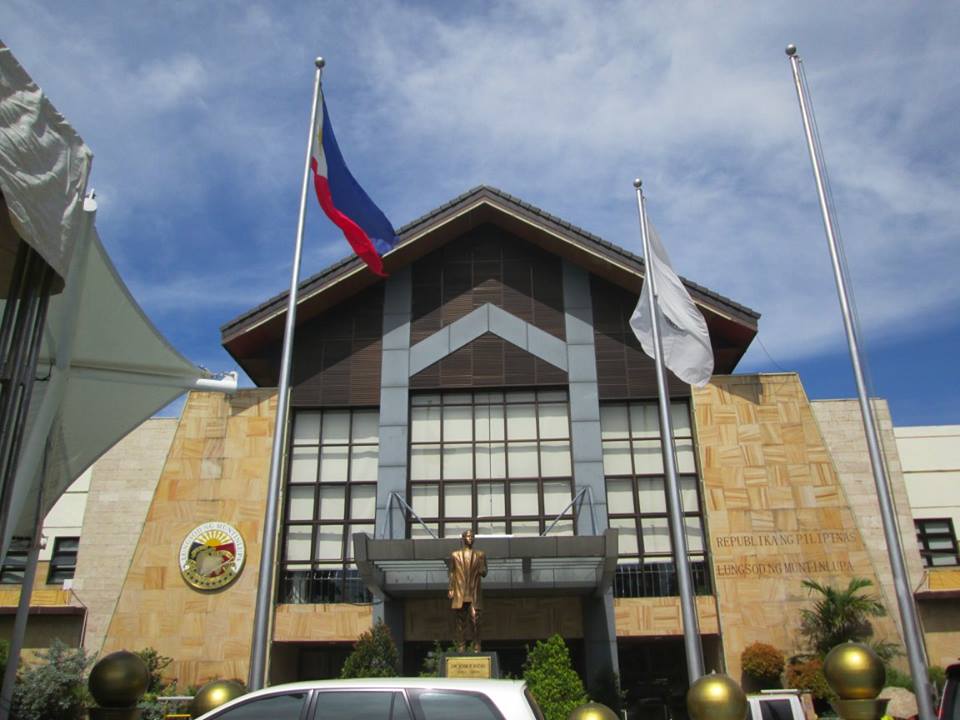
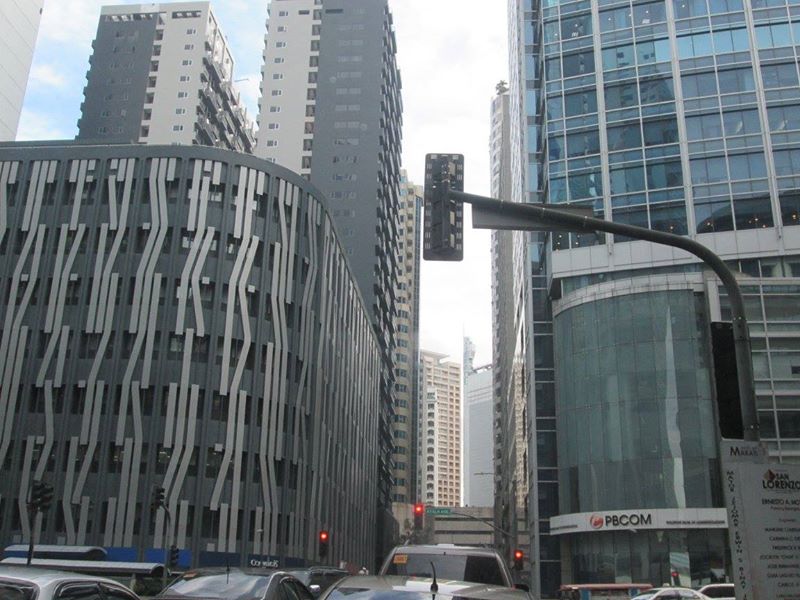
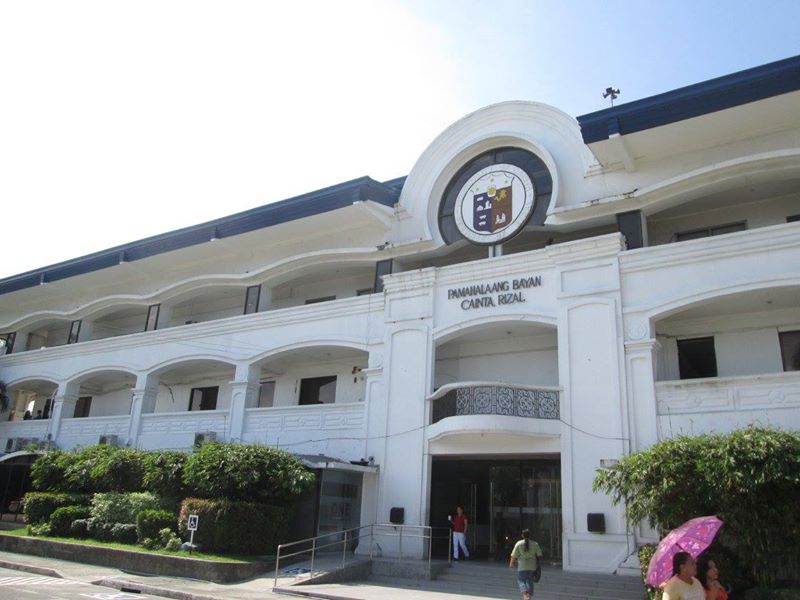
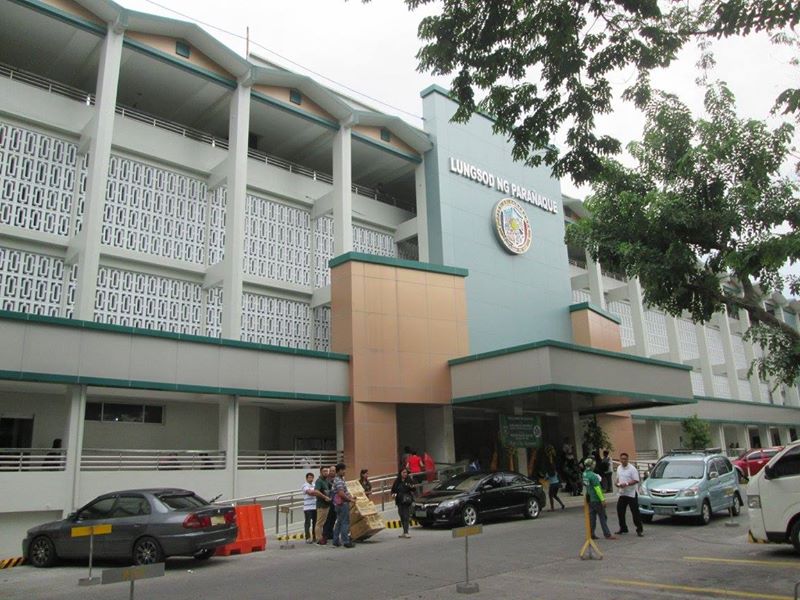
It was an honor and privilege to be invited by a prestigious and one of the top appraisers company in the land to join their team in appraising property in Metro Manila.

Truly it adds value to my appraisal skills and in running an appraisal company.

Great experience.

2112022328_1062426873775554_2469452123420426286_o 11221862_1062426540442254_1175843060924474763_o  12017663_1062427097108865_7014141333815468603_o 12017729_1062426737108901_1636065483479174809_o

Environmental Planning for Real Estate Practitioners

By: Gus Agosto, EnP, REA, REB
President, PAREB-Cebu South Real Estate Board

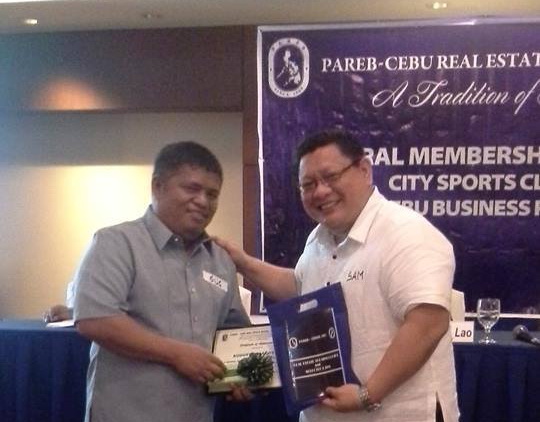
(Speech delivered at PAREB-CEREB General Membership Meeting Held in City Sports Club Cebu, on July 30, 2015)

Good evening President Sammy Lao, Officers, Past Presidents, new members and guest.

Thank you for inviting me to speak on the Importance of Environmental Planning for Real Estate Practitioners. I will try first to discuss the basics of Environmental Planning. Then second, the historical role of PAREB on promoting the call for Land and its highest and best use and for its widest distribution. Lastly, I will end with a brief on the encyclical Laudatu Si of his emininence Pope Francis.

Environmental Planning

Fellow practitioners, today we are experiencing many problems such as flooding, heavy traffic, squatters, skyrocketing cost of prime commodities, unemployment and more. Without a feasible and long term solution, these problems will worsens as population grows exponentially year after year.

The solution lies on planning ahead, while solving short term problems at present. We should promote long-term and broad thinking. Here comes the importance of Environmental Planning. It is a discipline that deals with the study of the built environment, population, economy, infrastructures and the whole environment.

Real Estate practitioners’ keen understanding of zoning, infrastructure, resource allocation, transportation, traffic schemes, waste management will lay the foundation for efficient, environmental and equitable real-estate developments in the future, and in short term serve better our clients.

With knowledge on climate change, we can help in climate change adaptation and disaster risk reduction. Cebu City including Mactan Island is vulnerable to warmer sea temperature, extreme rain fall, river flow and flooding, ocean acidification, rise of sea levels, intense tropical cyclones, high climate variability, all of which are exposure of climate change scenarios.

Furthermore, Cebu City still has no land use plan. Our last Comprehensive Land Use Plan was in 1996 and until now, there is no land use plan yet. Based on Japan International Cooperation Agency, Metro Cebu’s population is expected to double from 2.5 million to 5 million by 2050 (1.2 M 1990). What does it mean for us? The City could not pass a zoning ordinance that will become a basis for regulations and will direct which structures or establishments should rise where.

PAREB Tradition

We in PAREB have a tradition in upholding the the physical environment, highest and best use of our land and ownership of widest distribution. We know the importance of Land Economics, where land is the basic component in real estate.

We studied land use, natural resources, urban and rural settlements, housing and all other factors that affect land as a limited resource. In economics, we studied how to allocate scarce resources for good use. Land, whose supply is finite, needs more attention and study, as to its BEST USE and worthy to live.

The livability of a city translates to higher real estate value and attracts more investors, both local and international. We should also help and support our fellow countrymen in achieving economic upliftment. In solving massive homelessness, massive unemployment should need to be addressed. Thus economic development should be pushed.

As real estate practitioner, our involvements in these issues were long overdue. We should start now and be involved in short and long term planning of our cities, province and regions.

Care for Our Home

I wish to end my speech with thoughts from Pope Francis Encyclical Laudato Si which means “Praised Be To You,”. Laudatu Si calls for care of our common home, the Planet Earth.

It is the first encyclical to focus primarily on creation care, the Christian idea that God gave humans the earth to cultivate, not conquer. In this encyclical the Pope called us to hold and raise the banner of intergenerational responsibility. He poses a challenging question “What kind of world do we want to leave to those who come after us, to children who are now growing up?”

My fellow practitioners, the answer to that question lies on each and every one of us.

Maayong gabii sa tanan.

gus

New Environmental Planner

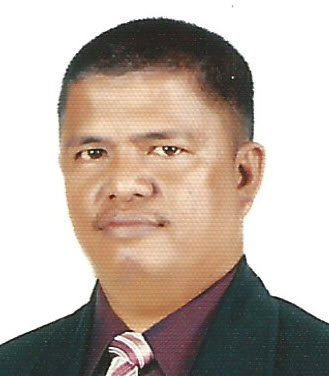
Gus Agosto has just passed the Philippine Regulation Commission (PRC) Licensure Examination for EnvAppraisergus4=3ironmental Planner. He is one of the 178 successful, out of 357 examinees. The examination was given last June 9 & 10, 2015.

“It was the toughest examination I ever had”, Gus told his friends and relatives. “Now I can help more in protecting our environment and play an active role in planning issues”, he further said.

Republic Act 10587 stated that “Environmental Planning is also known as urban and regional planning, city planning, town and country planning, and/or human settlements planning.”

Under the said law, the scope of practice of the profession includes providing technical consultation, rendering of technical advice, plan preparation, capacity building and monitoring and evaluation of implementation. Also, preparation of feasibility studies, environmental assessments and institutional, administrative or legal systems. They can also serve as expert witness, resource person, lecturer, juror or arbitrator in hearings, competitions, exhibitions and other public fora.

“Being an Environmental Planner is a big task and a great challenge. It happens when the biggest issues hounding our land were environment and urbanization. I will contribute in planning for the betterment of our people and the next generation”, Gus ended.

Insurable Value Appraisal

Appraisal is an exciting profession. We can help a lot of people through appraisal services. One of our service is insurance appraisal. The importance of valuation for insurance purposes cannot be understated. Inflated insurable property values can cause a business to pay excessive insurance premiums, while having inadequate insurance can be disastrous if a loss occurs.

Insurance appraisals start with a site inspection followed by a property analysis to determine the calculation of supportable estimates for replacement costs. The scope of work is to appraise the improvements “as-is” without the underlying land value and the subsurface structure (foundation), while depreciation should never be deducted.

In insurance appraisal the appraiser provide an estimate of the new cost of a substitute building, often called Replacement Cost New (RCN). In developing an estimate of the Replacement Cost New (RCN) for insurance placement purposes. the Cost Approach is best suited , as insurance premiums are normally based on Replacement Cost and not market value. The market and income approaches to value are therefore not applicable to the insurance appraisal assignment.

There are several additional considerations to complete an effective insurance appraisal.An appraiser should also be conversant with current laws on insurance, building code, zoning and other important laws necessary in rebuilding the property.

An insurance appraisal requires a unique set of skill, and has specific demands that go beyond a house or commercial property performed for a bank or assessment. Keeping up to date in construction methods, costs, building codes, insurance laws are critical to providing a reliable insurable value estimate. For this reason property owners are best served when they hire appraisers who are experience to do this type of work.

For comments and suggestions, you can message or contact us. Thank you.