Property Identification: The Sacred Foundation of Real Estate Appraisal

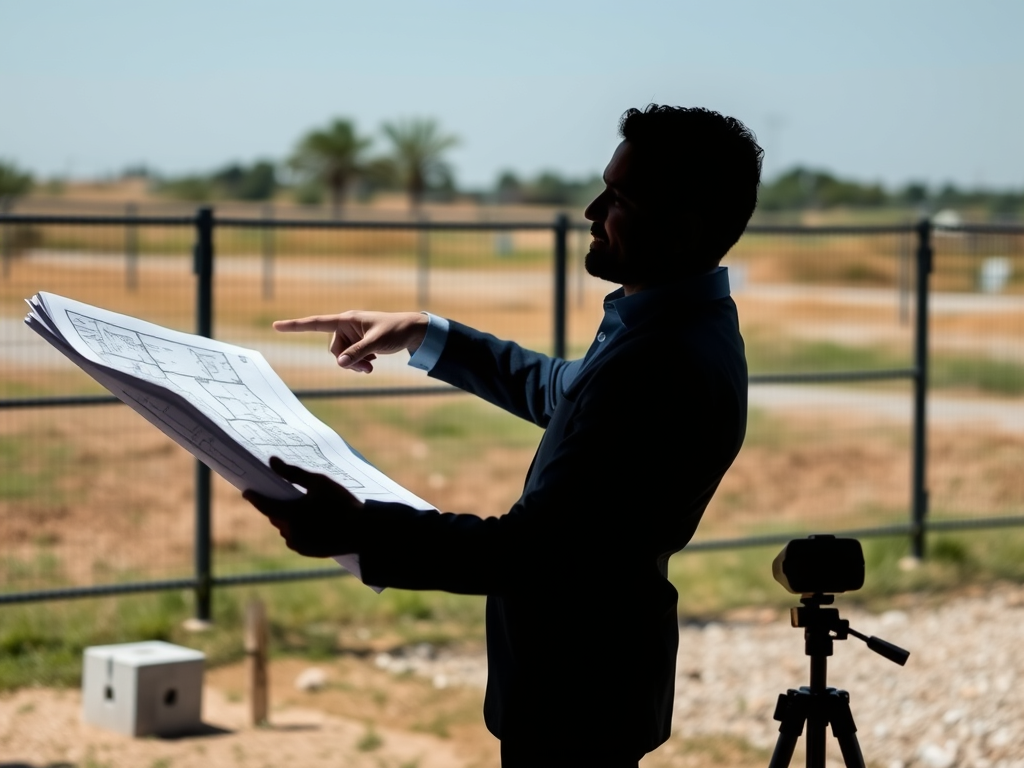
In the meticulous world of real estate appraisal, one principle stands above all others: you cannot value what you cannot identify correctly. Whether working on a condominium in Makati, a farmland in Bukidnon, or a contested estate in Cebu, the first and most sacred duty of any appraiser is to accurately and defensibly identify the subject property. This is not just a technical requirement—it is the foundation of credibility, legality, and fairness in valuation. A mistake in property identification is not a small error. It invalidates every step that follows: the market comparison, highest and best use analysis, risk assessment, and final value estimate. Simply put, wrong property means wrong valuation.

Property identification involves several components. It means correctly determining the legal identity of the land—via Transfer Certificate of Title (TCT), technical description, and lot number. It also means identifying the actual physical location and ensuring it matches the documents, zoning classification, and any physical improvements or encumbrances. Every valuation method—whether it’s the market approach, cost approach, or income approach—relies on this first step. If you appraise the wrong lot, all your calculations, assumptions, and conclusions become legally and factually meaningless.

This is why misidentification carries not only technical consequences but also legal and ethical ones. A wrong appraisal can lead to court rejection of the report, denial of loans by banks, and even legal liability for misleading courts or clients. Under Article 19 of the Civil Code of the Philippines, professionals have a duty to act with justice, give everyone their due, and observe honesty and good faith. The Philippine Valuation Standards likewise emphasize that appraisers must exercise due diligence and care—beginning with accurate property identification.

Some of the most common pitfalls in this process include relying solely on the owner’s verbal claim without matching it against documentary evidence, misplotting technical descriptions, failing to check for easements or encroachments, and confusing adjacent lots with similar features. These errors are preventable with a disciplined and documented approach. A responsible appraiser will cross-check TCT data with the tax map and zoning ordinance, conduct field validation through site visits, use geotagged photos or drones, and even consult barangay officials or boundary markers when in doubt.

The risks of inaccuracy are very real. Imagine an appraiser tasked to value Lot 6 but instead inspects and reports on Lot 5. If Lot 5 is under threat of expropriation or prone to flooding, while Lot 6 is not, the valuation will be drastically wrong. In judicial proceedings, such a mistake may result in an unjust award of compensation or legal challenge. In lending, it may lead to defective collateralization. The appraiser’s name—and the integrity of the profession—are on the line.

Property identification is not just a preliminary step—it is the moral compass of professional practice. It sets the tone for the accuracy, fairness, and trustworthiness of the entire report. Real estate is a high-stakes industry. The margin for error is slim, and the cost of error is great. That is why we say: Property identification is sacred. Wrong property is wrong valuation. Always.

AA Real Estate Institute Launches Mentorship Accelerator Program for Emerging Professionals

Cebu City, Philippines — The AA Real Estate Institute proudly announces the launch of its flagship initiative: the Mentorship Accelerator Program, a selective and structured training experience designed to empower the next generation of real estate professionals through real-world exposure, ethical guidance, and technical mastery.

With the tagline “Where Excellence Meets Integrity,” the program seeks to bridge the gap between academic training and professional practice by pairing top-performing mentors with mentees aspiring to build strong foundations in valuation, consulting, brokerage, and real estate leadership.

Spanning six months, the program includes modules on standards-based appraisal, field inspection techniques, report writing, litigation support, and business growth strategies. Mentees will gain practical experience through mentor-led sessions, group site work, and individual feedback on real case outputs. Each stage of the program is designed to promote competence, character, and commitment.

“This is not just a training program,” says the Institute’s founder. “It’s a professional formation process. We’re building future-ready real estate professionals who lead with both expertise and ethics.”

The Mentorship Accelerator is open to new real estate appraiser licensure passers and early-career appraisal professionals. Accepted mentees will complete a portfolio-based track and receive a certificate of completion, with opportunities to continue as part of the Institute’s alumni and professional network.

Applications are now open. Interested individuals may submit a résumé, cover letter, and statement of intent to aareinstitute@gmail.com

For more information, follow AA Real Estate Institute on Facebook.

One Hat at a Time: Ethical and Legal Boundaries in Real Estate Practice

In Philippine real estate practice, a professional may wear multiple hats: appraiser, broker, consultant, or property manager. With these roles come distinct legal obligations and ethical expectations. Among the most critical distinctions is the contrast between the appraiser’s duty of independence and the broker’s duty of agency. Understanding this distinction—and reconciling it—is essential to preserving public trust and professional credibility in the real estate industry. This article explores how the ethical and legal foundations of real estate practice, as rooted in the Civil Code, the Revised Penal Code, and the Real Estate Service Act of the Philippines (R.A. 9646), guide practitioners in navigating these complex but complementary roles.

A real estate appraiser is a professional whose primary obligation is to render an independent, objective, and evidence-based opinion of value. The appraiser must act with impartiality, applying market data, sound valuation methodology, and professional judgment. The role demands a non-advocacy stance—the appraiser is not to promote the interests of any party, even the client. By contrast, a real estate broker functions under a legal agency relationship. As an agent, the broker owes a fiduciary duty to the client, which includes loyalty, obedience, diligence, full disclosure, confidentiality, and accountability. A broker is expected to promote and protect the client’s interests, even as they observe fairness and ethical conduct in dealings with others.

These differing roles raise a central ethical concern: how can a real estate professional reconcile the objectivity demanded of an appraiser and the loyalty expected of a broker, especially when licensed to perform both? The answer lies in the principle of professional role separation and ethical discipline. Each role must be exercised independently, with clear disclosure and without overlap that compromises impartiality or fiduciary duty. When acting as an appraiser, the practitioner must distance themselves from any client advocacy. When acting as a broker, they must zealously represent their client, but always within the bounds of the law and truthfulness. This ethical discipline—“wearing one hat at a time”—is crucial to maintaining credibility, avoiding conflict of interest, and upholding public trust.

First and foremost, the Real Estate Service Act of 2009 (R.A. 9646)  formalizes the ethical obligations of appraisers, brokers, and other real estate professionals. Section 39 mandates that all practitioners be guided by a Code of Ethics and Responsibilities as adopted by the Professional Regulatory Board of Real Estate Service. This affirms the legal requirement to observe integrity, objectivity, confidentiality, transparency, and public accountability in all aspects of professional practice. Violations of these ethical mandates can result in administrative sanctions such as license suspension or revocation, in addition to possible civil or criminal liability.

The ethical standards expected of real estate professionals are enshrined further in Philippine civil law. Chapter 2, Book I of the Civil Code, on Human Relations, provides the normative foundation for conduct in both personal and professional spheres. Article 19 mandates that “every person must, in the exercise of his rights and the performance of his duties, act with justice, give everyone his due, and observe honesty and good faith.” This provision is the cornerstone of professional ethics, requiring appraisers and brokers to act not merely within legal bounds, but with moral integrity, fairness, and honesty. Article 20 states that “every person who, contrary to law, willfully or negligently causes damage to another shall indemnify the latter for the same.” A real estate professional may thus be held civilly liable for losses caused by misrepresentation, bias, or negligence, such as inflated valuations or failure to disclose material facts. Furthermore, Article 21 provides that “any person who willfully causes loss or injury to another in a manner that is contrary to morals, good customs or public policy shall compensate the latter for the damage.” Even in the absence of a specific law or contract violation, acts against professional ethics or public trust may be actionable under this general clause on moral damages.

The Revised Penal Code supplements civil liabilities with criminal sanctions for unethical conduct that involves deceit, falsification, or breach of public trust. Article 171 on falsification of public documents and Article 172 on falsification by private individuals provide penalties for those who falsify data, signatures, or reports, particularly when such documents are submitted to government agencies for purposes such as taxation, loan application, or litigation. A real estate professional, acting dishonestly in the preparation or authentication of a report, may thus face criminal liability. Similarly, Articles 315 and 318, which address estafa and other deceits, penalize professionals who mislead clients or third parties for financial gain. This includes concealing defects, inflating values, or misrepresenting the true nature of a property transaction. These laws underscore that professional misconduct is not merely unethical—it can be criminal.

The real estate profession is grounded not only in technical competence but also in ethical clarity and legal responsibility. The roles of appraiser and broker may be different, but both demand honesty, fairness, and accountability. Whether providing an objective valuation or advocating for a client in a sale, the real estate professional must be guided by the legal duty to act with justice, good faith, and respect for others’ rights. Ultimately, the integrity of real estate transactions—and of the profession itself—depends on each practitioner’s ability to uphold their role with clear boundaries and an unwavering commitment to ethical conduct. In doing so, they not only comply with the law but also protect the public, the profession, and the value of their word.

Housing Paradox

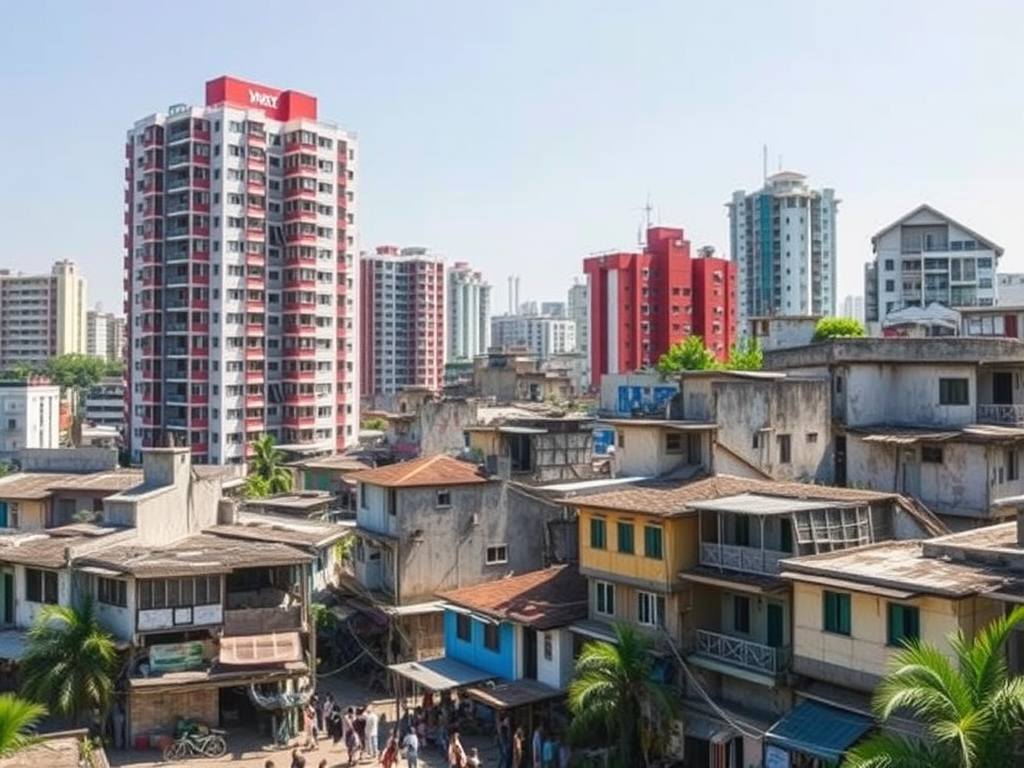
In recent months, news reports have painted a troubling picture of Metro Manila’s condominium market. The oversupply of residential units has reached concerning levels, raising questions about market stability and prompting analysts to propose various recommendations. While analysts focus on strategies to address the oversupply, there has been little to no effort to connect this phenomenon with the broader issue of unmet housing needs. This creates a puzzling paradox -on one side of the real estate spectrum, developers are grappling with excessive inventory in urban centers. On the other side, millions of Filipinos still lack access to adequate, affordable housing.

The stark imbalance highlights a deeper, systemic problem within the housing sector: a misalignment between supply and demand, where the needs of the population are not being met despite the abundance of residential units.

Currently, the oversupply in the condominium market translates to about 34 months of inventory at the current sales pace—nearly three times the ideal benchmark of a 12-month supply. Urban centers like Quezon City, Ortigas, and Pasay are particularly affected, with thousands of unsold units. For example, Quezon City alone has 18,500 available units, followed by Ortigas with 13,500 and Pasay’s Bay Area with 10,500. Meanwhile, high-end areas like Makati and Bonifacio Global City maintain lower inventories, reflecting steadier demand in the luxury segment.

The reasons behind this oversupply are multifaceted. High interest rates, external economic pressures, and shifting consumer preferences towards single-detached homes in suburban areas have all played a role. Developers, driven by the high returns in the mid- to high-tier condominium market, have focused on urban centers, inadvertently creating a bubble of excess inventory in certain locations.

On the other side of this paradox lies the staggering national housing backlog of 6.5 million units. This deficit primarily affects low- to middle-income families who cannot afford the properties being developed. In Central Visayas alone, the housing need is over half a million units, and while government programs like the Pambansang Pabahay para sa Pilipino Program (4PH) aim to address the backlog, progress has been slow. For instance, in Central Visayas, the Department of Human Settlements and Urban Development (DHSUD) has set a modest target of 13,000 housing units under 4PH—far from the region’s actual needs.

This paradox underscores a severe mismatch between the type of housing being supplied and the housing people need. The oversupply is concentrated in mid- to high-tier condominiums in urban areas, which are unaffordable to most Filipinos. Meanwhile, the housing backlog affects families who struggle to find even basic, affordable shelter. Rapid urbanization has driven developers to focus on city centers, where demand for high-end properties has slowed, while the needs of provincial and low-income communities remain unmet.

This misalignment has wide-ranging implications. Developers face financial losses as unsold inventories pile up, while families without access to affordable housing continue to live in substandard conditions. The situation also affects the broader economy, as stagnation in urban property markets and inadequate housing solutions limit economic mobility and growth.

To address this complex challenge, a coordinated effort is needed. Policymakers, developers, and stakeholders must work together to realign the market. Incentivizing developers to prioritize affordable housing, particularly in areas with high backlogs, is essential. Improving transportation infrastructure to make suburban housing more accessible can also help ease the concentration of developments in urban areas. Additionally, accessible financing options for low- to middle-income families, public-private partnerships, and stricter regulations to prevent future oversupply are crucial steps.

The coexistence of housing oversupply and a massive backlog highlights fundamental flaws in the Philippine real estate market. Solving this paradox requires a shift in priorities—from catering mainly to profit-driven urban developments to addressing the genuine housing needs of the majority. By doing so, the sector can foster sustainable growth, improve living conditions, and create a more equitable future for all Filipinos.

The solution to the Philippine housing paradox lies not in shifting the focus of condominium developments to other regions but in prioritizing the unmet demand for affordable housing. The fundamental issue is not merely the geographic concentration of real estate projects but the failure to align supply with the genuine needs of the population. Addressing this misalignment is key to resolving both the oversupply and the housing backlog.

Augusto B. Agosto is a passionate blogger, economist, university professor, and thought leader in real estate and urban development. With extensive experience in analyzing economic trends and real estate dynamics, he offers insightful perspectives on pressing issues such as housing, land use, and property market trends in the Philippines.

Consultant Gus Agosto at the World Congress of Resort Properties

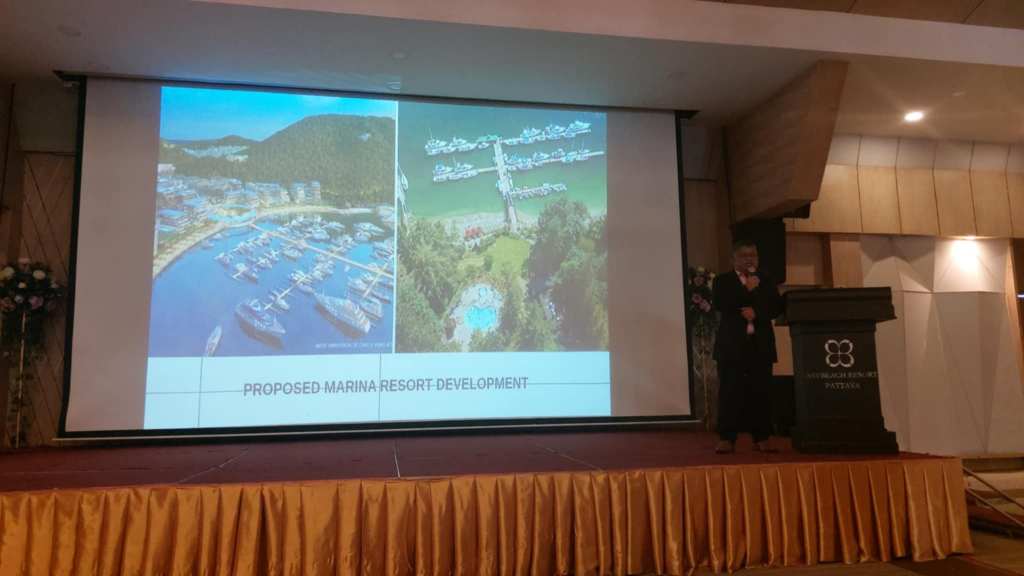
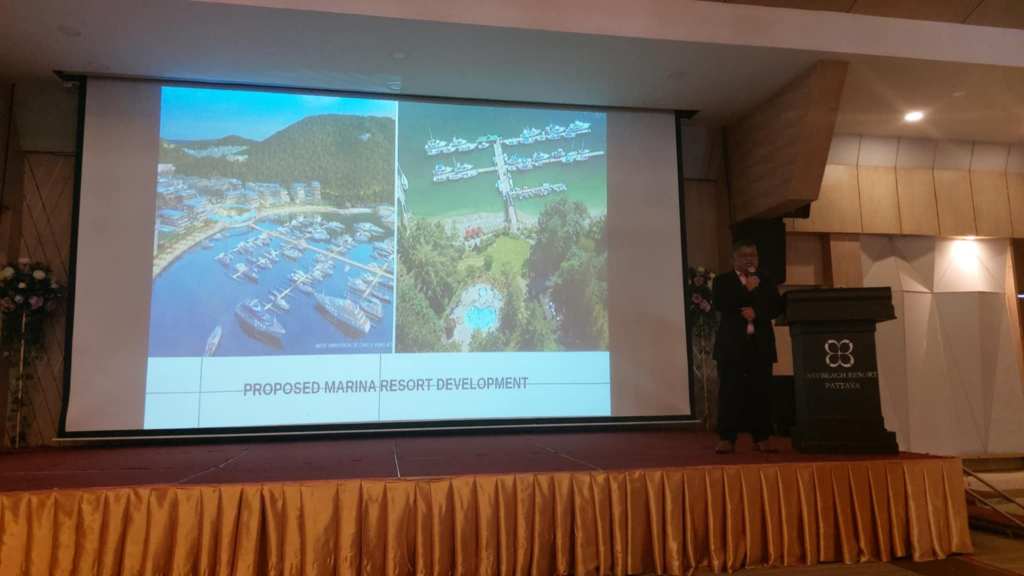
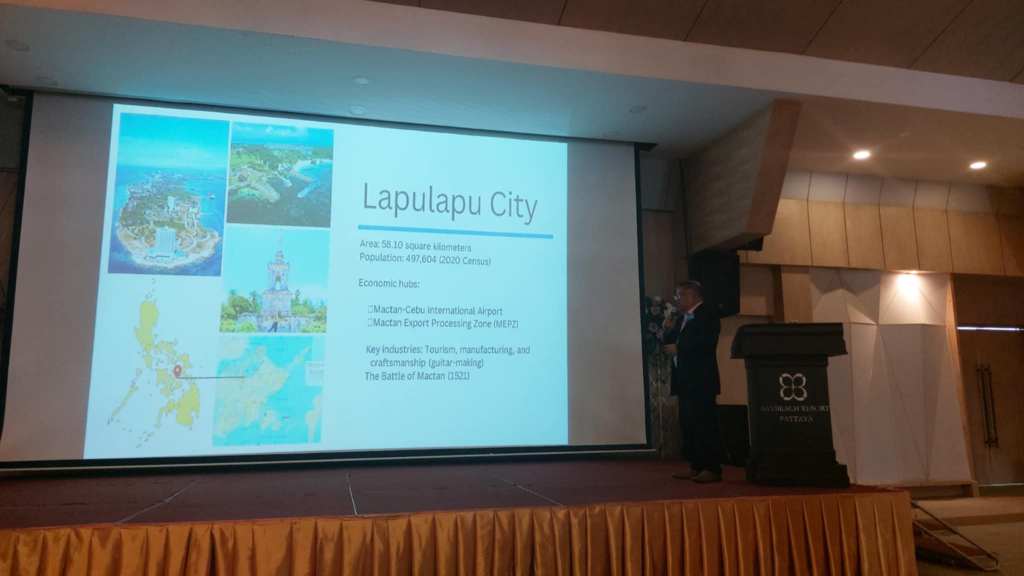
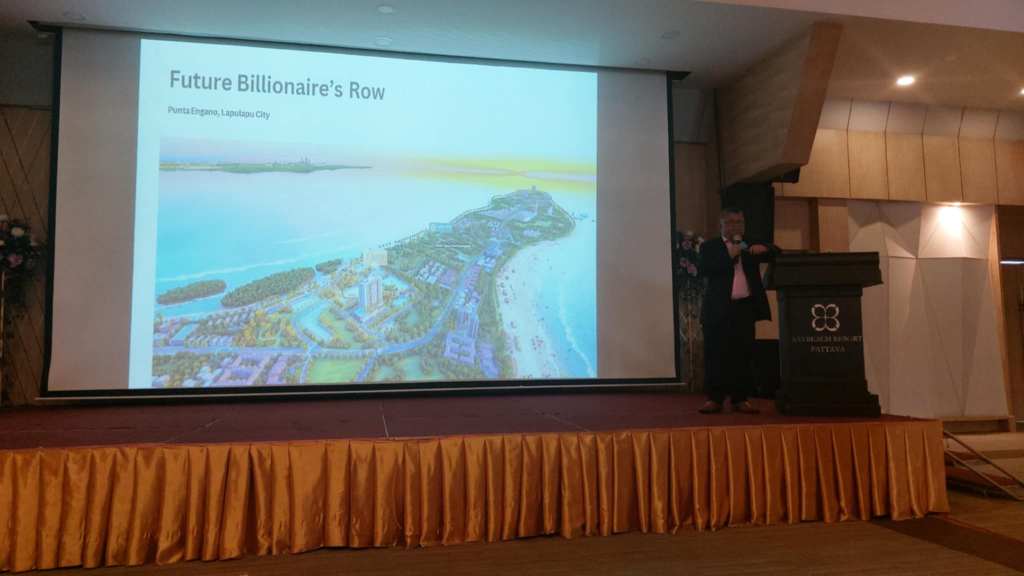
Consultant Gus Agosto delivered an insightful presentation at the prestigious World Congress of Resort Properties held in Pattaya, Thailand. His talk focused on the integration of valuation and planning practices in the context of Lapulapu City, Philippines—a city renowned for its vibrant tourism and resort industry.

In his speech, Agosto emphasized the importance of leveraging advanced valuation methodologies to complement sustainable planning efforts. He remarked, “The exploitation of various methodologies in valuation, coupled with the principles of highest and best use and feasibility analysis, can yield more reliable estimations. These, in turn, align closely with the goals of sustainable and responsible urban planning.” His insights underscored the critical role of integrating economic, environmental, and social considerations in developing resort-based real estate projects.

The Congress featured distinguished speakers from various countries, including Nepal, India, Indonesia, Malaysia, Vietnam, Thailand, the Philippines, Brunei, the Maldives, and others. It served as an invaluable platform for global participants to exchange experiences and insights into real estate practices focused on resorts and hotels.

Agosto highlighted how both the indoor seminars and on-site study visits provided participants with hands-on learning opportunities. He noted that these activities offered a deeper understanding of innovative approaches and strategies in real estate development, which would significantly enhance the professional practices of attendees.

Pattaya, Thailand, was a fitting venue for the event, being globally recognized as a premier resort city. Its reputation as a hub of hospitality and tourism added a dynamic layer to the Congress, enriching discussions and case studies with real-world examples of successful resort property development. Agosto concluded that the knowledge shared at the event would undoubtedly elevate the standards of real estate practice among the participants, fostering innovation and collaboration in the global resort property sector.

Consultant Gus Agosto to Speak at World Congress

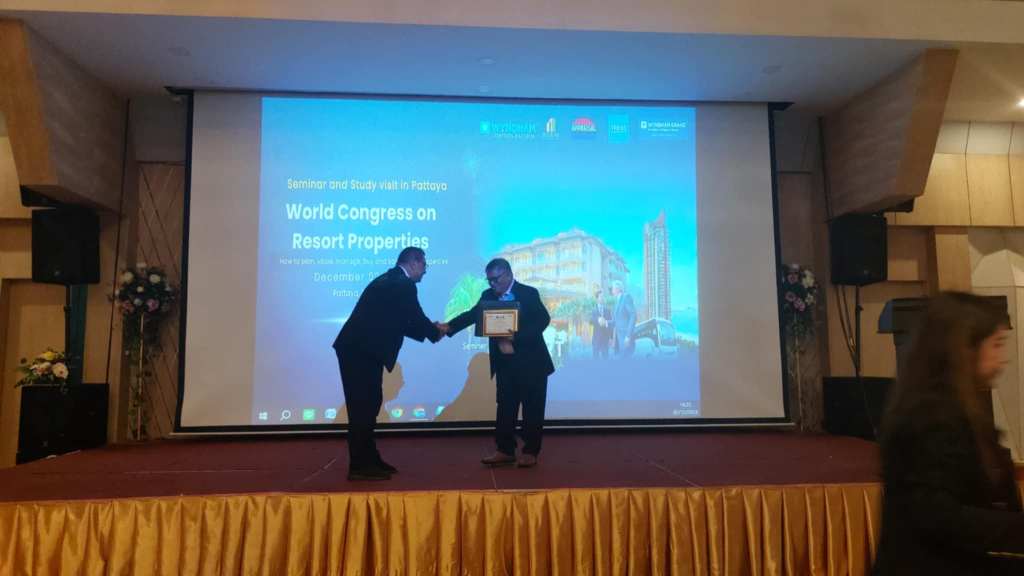
The world of resort properties is rapidly evolving, and industry leaders from across Southeast Asia will come together to share insights and strategies at the World Congress on Resort Properties, happening from December 1-3, 2024, in Pattaya, Thailand. Among the distinguished speakers is Consultant Gus Agosto, a renowned expert in real estate valuation and development, who will contribute his expertise alongside speakers from Malaysia, Vietnam, Maldives, Brunei, Cambodia, Laos, India, the Philippines, USA and Thailand.

The World Congress on Resort Properties will serve as a pivotal platform to explore the dynamic sector of resort real estate, which encompasses seaside resorts, mountain retreats, rural-style accommodations, pool villas, hotels, and wellness-focused developments. As the demand for unique and luxurious vacation experiences continues to rise globally, resort properties are increasingly becoming a prime investment choice.

Topics That Matter

With its theme focusing on “How to Plan, Value, Manage, Buy, and Sell Resort Properties,” the congress aims to provide actionable insights to investors, developers, real estate professionals, and industry stakeholders. Attendees can expect to learn about:

  • Strategic Planning: Understanding market trends and consumer preferences to create sustainable and profitable resort developments.
  • Valuation Techniques: Key factors influencing the market value of resort properties and tools for accurate valuation.
  • Effective Management: Strategies for managing operations while enhancing guest experiences.
  • Investment Opportunities: Insights into buying and selling resort properties, with a focus on long-term profitability.

As the global tourism industry continues to recover and thrive, resort properties are playing an increasingly significant role in boosting economies and creating employment opportunities. This congress will foster dialogue on how to address emerging challenges, seize new opportunities, and embrace innovation in the sector.

This invitation to the World Congress is a testament to Consultant Gus Agosto’s growing influence in the real estate industry, particularly in hotel and resort valuation and consulting. Just a few months ago, Gus was invited to speak at the prestigious FIABCI Thailand Congress 2024 Asia Pacific Real Estate Convention & Property Prix d’Excellence Awards held on August 30-31, 2024, at the Amari Bangkok Hotel. His presentation at that event focused on key trends shaping real estate markets across the Asia-Pacific region, further solidifying his reputation as a sought-after speaker and consultant.

Consultant Gus Agosto’s Inspection of Three Islands in Northern Samar

As an expert in hotel and resort development, Consultant Gus Agosto conducted a detailed inspection of three islands in Northern Samar. His evaluation focused on identifying the potential of these islands to host sustainable and marketable hotel and resort projects, aligning with the growing demand for eco-tourism and luxury getaways in the Philippines.

Gus Agosto’s expertise in hotel and resort development uniquely positioned him to assess the islands’ suitability for projects that cater to high-end tourism, sustainable lodging, and immersive guest experiences. His approach integrates:

  • Market Viability: Identifying opportunities to attract domestic and international tourists.
  • Sustainability Principles: Designing eco-friendly resorts that protect natural resources while providing world-class amenities.
  • Operational Feasibility: Evaluating logistical requirements such as accessibility, infrastructure needs, and local workforce engagement.

Gus Agosto’s specialization in hotel and resort development allowed him to identify the three islands as prime locations for sustainable and innovative projects. By leveraging their natural beauty and focusing on eco-friendly development, these islands have the potential to become key players in the Philippines’ growing tourism sector, fostering economic growth while protecting the environment.

Legal Consequences of Practicing Beyond Professional Scope

Public trust and professional integrity are safeguarded through strict regulations governing the practice of various professions. These laws not only define the scope of each profession but also impose penalties on individuals who operate beyond their authorized expertise or practice without proper credentials. Such provisions ensure that only qualified professionals render services, protecting the public from unqualified practitioners.

For real estate practitioners, the Real Estate Service Act (RA 9646) serves as the primary regulatory framework. Individuals who practice real estate services without a valid license or perform tasks outside their professional scope face severe penalties. These include fines ranging from ₱100,000 to ₱5,000,000 and/or imprisonment of two to four years. This law underscores the importance of licensing in real estate services, ensuring that only accredited professionals appraise properties and guide clients through transactions.

In the field of agriculture and engineering, the Agricultural and Biosystems Engineering Act (RA 10915) regulates the work of agricultural and biosystems engineers (ABEs). Unauthorized practice under this law can lead to penalties of ₱100,000 to ₱500,000 or imprisonment of six months to five years, or both. This highlights the critical role ABEs play in ensuring the safe and efficient development of agricultural systems and infrastructure.

Similarly, the Philippine Mechanical Engineering Act (RA 8495) protects the mechanical engineering profession from unauthorized practice. Violators face fines between ₱50,000 and ₱200,000 or imprisonment of six months to six years, or both. Mechanical engineers handle critical tasks such as designing industrial machinery and evaluating technical systems, which require specialized skills.

For architects, the Architecture Act (RA 9266) prescribes fines ranging from ₱100,000 to ₱5,000,000 or imprisonment of six months to six years for practicing without proper licensure or exceeding the defined scope. The same is true for electrical engineers under the Electrical Engineering Law (RA 7920), which penalizes violations with fines of ₱10,000 to ₱50,000 or imprisonment of six months to five years or both.

These penal provisions serve as a warning to professionals and non-professionals alike. Practicing outside the bounds of expertise and licensure can have serious legal consequences. The overlapping and specialized nature of modern industries—such as real estate, engineering, and agriculture—demands that professionals adhere strictly to their defined roles. Collaboration among experts in their respective fields ensures comprehensive and credible outcomes without compromising public welfare.

By staying within the bounds of their profession, licensed practitioners not only avoid hefty fines and imprisonment but also contribute to upholding the credibility and standards of their industry. For the public, these laws provide assurance that they are engaging with qualified professionals, fostering trust and confidence in professional services across sectors.

Valuation as a Multidisciplinary Practice

Valuation is a cornerstone of informed decision-making across industries, including real estate, agriculture, manufacturing, and engineering. It involves assessing value for various purposes, such as sales, taxation, insurance, and investment. Given its complexity, valuation has emerged as a multidisciplinary practice, bringing together professionals from diverse fields to ensure accuracy, reliability, and comprehensive results.

In the Philippines, various laws regulate professionals involved in valuation, ensuring that each operates within their defined scope of expertise. Real estate appraisers are governed by Republic Act No. 9646, also known as the Real Estate Service Act of the Philippines. This law establishes the standards for the licensure, practice, and professional conduct of real estate appraisers, granting them the authority to assess and determine the value of real estate properties, including land, buildings, and improvements.

For agricultural and biosystems engineers (ABEs), their practice is regulated by Republic Act No. 10915, the Philippine Agricultural and Biosystems Engineering Act of 2016. This law authorizes ABEs to perform valuations of agricultural and biosystems machinery, equipment, structures, and facilities, as well as agricultural engineering projects such as irrigation systems and farm infrastructure. Joint Resolution No. 1, Series of 2022, further clarifies the complementary roles between ABEs and real estate appraisers, stating that ABEs’ valuation reports for agricultural assets can serve as references for real estate appraisers when valuing agricultural properties.

Mechanical engineers, on the other hand, are governed by Republic Act No. 8495, known as the Philippine Mechanical Engineering Act of 1998. This law allows mechanical engineers to engage in the valuation of mechanical systems and equipment, such as HVAC systems, boilers, power plants, and other industrial machinery. Their valuations typically focus on the technical and operational aspects of machinery, assessing factors like depreciation, replacement costs, and operational efficiency, particularly in industrial or commercial properties. Similarly, other specialized professionals, such as electrical engineers regulated under Republic Act No. 7920 (The Philippine Electrical Engineering Law), contribute to the valuation process, particularly for properties with complex electrical systems. Architects, regulated by Republic Act No. 9266 (The Architecture Act of 2004), may also be involved in valuing buildings and structures, focusing on the design and construction aspects of real estate.

Each of these laws ensures that professionals work within their areas of expertise, providing accurate and legally compliant valuations. While real estate appraisers focus on the overall property value, agricultural and biosystems engineers and mechanical engineers bring specialized knowledge to appraise agricultural systems, machinery, and industrial equipment. Their collaborative roles, as outlined in Joint Resolution No. 1, Series of 2022, ensure that properties with specialized components, such as agro-industrial estates, are valued comprehensively and accurately. This multidisciplinary approach, guided by their respective laws, guarantees a thorough and credible valuation process that benefits all stakeholders involved.

Real estate appraisers are at the core of property valuation, focusing on land, buildings, and other real estate. They assess market conditions, zoning laws, and property improvements to provide a comprehensive valuation report. Their work is primarily guided by RA 9646 in the Philippines. However, in properties with specialized components, such as agricultural systems or mechanical infrastructure, real estate appraisers often rely on the input of other professionals. Agricultural and biosystems engineers, for example, are authorized under RA 10915 to assess agricultural assets like irrigation systems, silos, and other farm-related infrastructure. Their specialized knowledge is particularly crucial when valuing agricultural properties or agro-industrial estates. Similarly, mechanical engineers, as outlined in the Philippine Mechanical Engineering Act, can assess the value of mechanical equipment and machinery, such as HVAC systems, boilers, and industrial machines. These engineers evaluate factors like depreciation, operational value, and replacement costs, which are important for properties with significant mechanical infrastructure.

The interplay between these professions ensures a comprehensive approach to valuation. For example, in industrial properties, mechanical engineers evaluate the machinery and systems, while real estate appraisers integrate these technical valuations into the overall property value. In agricultural settings, ABEs assess farming equipment and infrastructure, and real estate appraisers consider these factors alongside land and property values to determine the total worth. The collaboration of these professionals leads to more accurate and thorough appraisals, addressing both the real estate and specialized components of a property.

This multidisciplinary approach to valuation offers numerous benefits. It ensures accuracy, as each expert contributes their specialized knowledge to different aspects of the property. It also provides a comprehensive valuation, incorporating everything from land value to the worth of machinery or agricultural systems. Moreover, it guarantees regulatory compliance, as each professional operates within their legal scope—real estate appraisers under RA 9646, and ABEs and mechanical engineers under their respective laws. Finally, it fosters stakeholder confidence, as the valuation reports produced are detailed, reliable, and credible, providing property owners, investors, and other stakeholders with the information they need to make informed decisions.

Why Combining Brokering and Valuation Creates a Conflict of Interest

In the real estate industry, professionals often wear multiple hats to meet the diverse needs of clients. Brokers facilitate the buying, selling, or leasing of properties and earn commissions based on the transaction’s value. Appraisers, on the other hand, provide impartial, accurate property valuations that are essential for informed decision-making by buyers, sellers, lenders, and investors. Although these roles complement each other, combining them under a single practitioner can create significant conflicts of interest that undermine the integrity of both professions.

The core issue lies in the divergent motivations of brokers and appraisers. Brokers are incentivized by the commission, which is tied to the value of the property and the success of the transaction. This financial motivation can lead brokers to manipulate property valuations—either inflating the value to secure a sale or undervaluing a property to expedite the transaction. Such actions may benefit the broker but distort the true market value and could ultimately harm other stakeholders, such as lenders or buyers.

In contrast, appraisers are expected to provide unbiased, objective property valuations. Their work should be independent and based solely on the property’s characteristics, market conditions, and other relevant factors, without any external influences. When an individual engages in both brokering and appraising, it raises concerns about the integrity of the valuation and the possibility that the dual roles could influence the professional’s objectivity, judgment, and ethical decision-making. Their financial interest in closing the deal could lead to a questionable and potentially inflated or deflated property value.

A few weeks ago, a client requested our company to sign a non-disclosure agreement (NDA) to ensure the confidentiality of the information they would provide, we reassured them that confidentiality is a cornerstone of our professional practice. Not only do we strictly comply with the Data Privacy Act of the land, but we also adhere to the ethical principles outlined in the International Valuation Standards (IVS). These guiding frameworks collectively reinforce our commitment to safeguarding client information, maintaining impartiality, and upholding the highest standards of professional integrity.

As a company that handles sensitive and proprietary client information, we strictly comply with the Data Privacy Act. This legislation mandates the secure handling, processing, and storage of data to protect it from unauthorized access, misuse, or breaches. Our compliance ensures that every piece of information entrusted to us is treated with utmost care and responsibility.

Recognizing this inherent conflict of interest, the Real Estate Service Act (RESA) of the Philippines, which governs the practice of real estate services in the country, mandates the separation of the real estate broker and appraiser professions. RESA ensures that each profession operates independently, preserving the integrity of their respective roles. The law encourages individuals to specialize in either brokering or appraising, which safeguards both professional accountability and the quality of services provided to clients. By doing so, RESA helps maintain public trust and transparency in real estate transactions.

The separation of these professions also aligns with global best practices, such as those outlined in the International Valuation Standards (IVS). These standards emphasize the importance of ethics, integrity, and impartiality in valuation practices. By keeping brokering and appraising distinct, the real estate industry can better ensure that valuations remain objective and reliable, upholding the public interest and minimizing any potential conflicts of interest.