
Photos From The Field

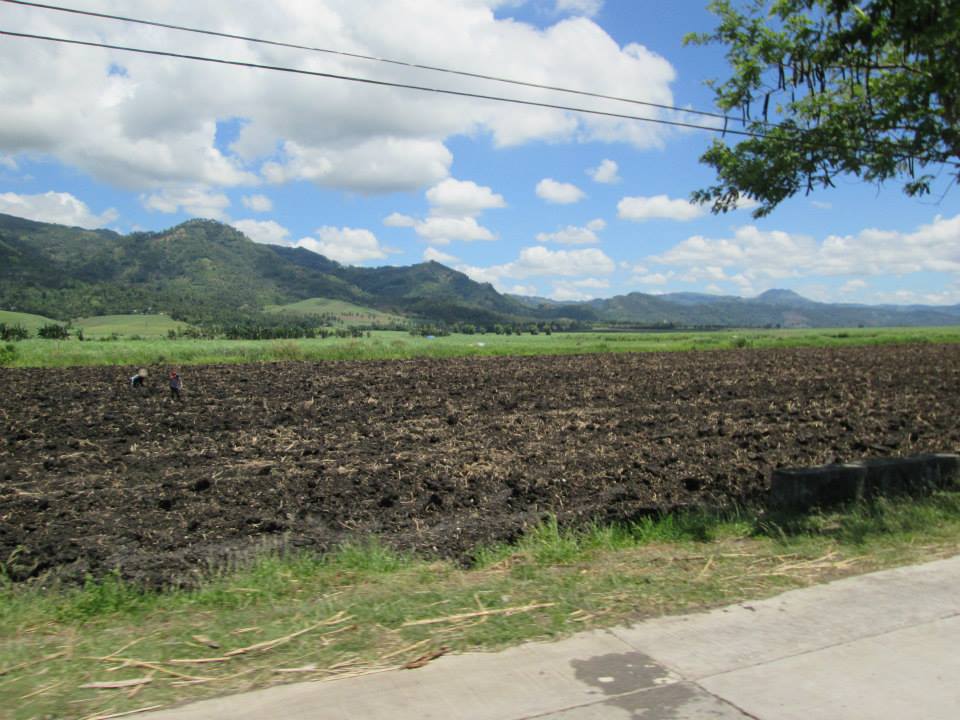
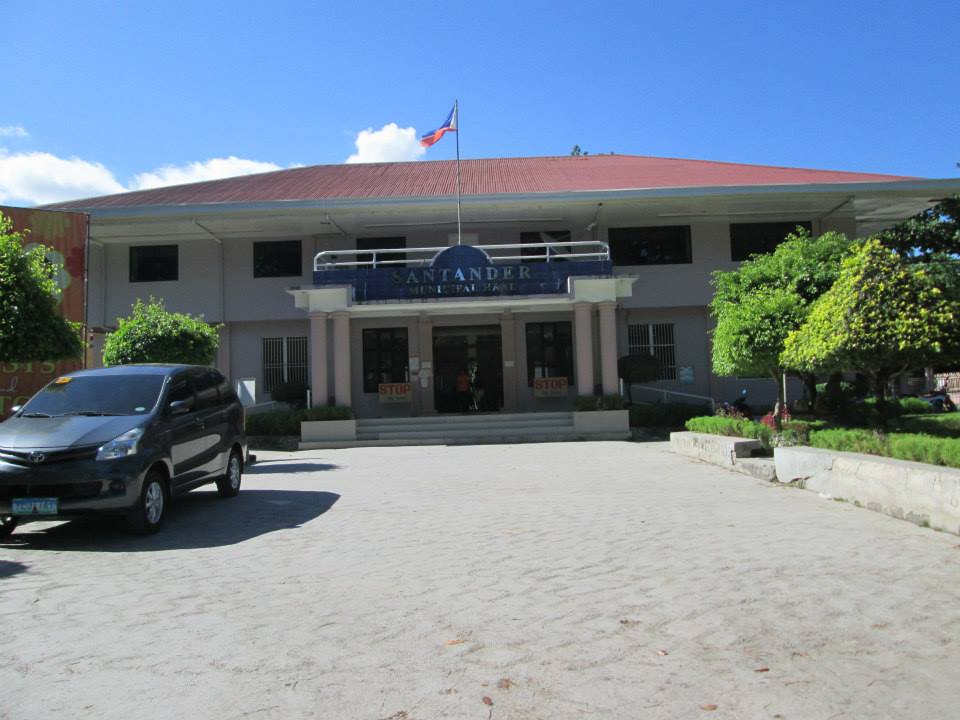
 Negros Oriental Scene
Retrospective Value Appraisal
Most appraisals are for current market value. So the very day an appraiser comes out and inspects a property, the value will be “as of today”. But there are appraisal that determines the value of a property from the past. It is called Retrospective value appraisal.
What is a Retrospective value appraisal? It is a historical determination of the market value. With a retrospective appraisal, the effective date of valuation is what the property was worth on a particular date in the past-maybe last month, last year or last 10 years ago.
What is the purpose of a historical appraisal? Many and varied reasons. Accountants and financial planners need to determine the value of property held in estate when the owner dies. This is known as a “Date of Death” appraisal. The BIR want a professional appraisal in the file to document the value as of that date. Lawyers use the historical appraisal to determine what assets belong to which party.
Historical appraisal is also needed in court litigations involving expropriation of private lands for public use, and ejectment cases. The court will appoint appraisal commissioner to determine the market value of the property on the date of taking. If the property was taken from the owner last year or five years ago, the date of the valuation will be the same.
I recently appraised a property using retrospective appraisal. The property was expropriated for a government project. To determine the market value as basis for just compensation, my client hired my services. In this case, I valued the property based on the comparables, market data and analysis at the time the expropriation took place.
If the appraisal is for court litigation, we may be called on the witness stand to testify to our report and defend it against the opposing lawyers and his witness. There are additional fees for this type of testimony. But be sure your report is defensible and ready to thwart any questions of the opposing counsel.
In this more complicated retrospective or historical appraisal, it is important to hire an appraiser with experience and familiar in the market area. An appraiser with sufficient experience has insight in this area before, during and after changes that have occurred over.
As a professional appraiser it is my responsibility to be the best and be credible as possible for my client. If you have questions on real estate appraisal, feel free to contact me.
Insurable Value Appraisal

Appraisal is an exciting profession. We can help a lot of people through appraisal services. One of our service is insurance appraisal. The importance of valuation for insurance purposes cannot be understated. Inflated insurable property values can cause a business to pay excessive insurance premiums, while having inadequate insurance can be disastrous if a loss occurs.
Insurance appraisals start with a site inspection followed by a property analysis to determine the calculation of supportable estimates for replacement costs. The scope of work is to appraise the improvements “as-is” without the underlying land value and the subsurface structure (foundation), while depreciation should never be deducted.
In insurance appraisal the appraiser provide an estimate of the new cost of a substitute building, often called Replacement Cost New (RCN). In developing an estimate of the Replacement Cost New (RCN) for insurance placement purposes. the Cost Approach is best suited , as insurance premiums are normally based on Replacement Cost and not market value. The market and income approaches to value are therefore not applicable to the insurance appraisal assignment.
There are several additional considerations to complete an effective insurance appraisal.An appraiser should also be conversant with current laws on insurance, building code, zoning and other important laws necessary in rebuilding the property.
An insurance appraisal requires a unique set of skill, and has specific demands that go beyond a house or commercial property performed for a bank or assessment. Keeping up to date in construction methods, costs, building codes, insurance laws are critical to providing a reliable insurable value estimate. For this reason property owners are best served when they hire appraisers who are experience to do this type of work.
For comments and suggestions, you can message or contact us. Thank you.
Photos in the Field

Mangroves in the Shore
Standing tall
amidst the salty shore
beneath the tree
embraces tiny creatures
When Valued Clients and Peers Speak
New Cebu South Board Officers Take Oath of Office
In a ceremony that was both solemn and celebratory,the new officers of Cebu South Real Estate Board (CESOREB) took their oath of office vowing to hold inviolate the high ethics of the profession. The New Officers were sworn in by Reynaldo Lim, President of Philippine Association of Real Estate Brokers (PAREB).
The National Directorate of PAREB, officers of other Visayas Local Boards and fellow real estate brokers congratulated the new officers. “The event is a significant one, it signals the birth of new officers that are willing to serve their members and practitioners in general.” Gus Agosto, the New President of Cebu South Board, said.
In his remark, National President Rey Lim, shared the programs of PAREB and the new opportunities for the members. Local board presidents of Iloilo, Mactan, Bohol and Cebu took turns in sharing their board plans and programs.
The Oath-taking Ceremony was held on March 6,2015 at St. Mark Hotel, Cebu City.

Real Estate Service Act Philippines
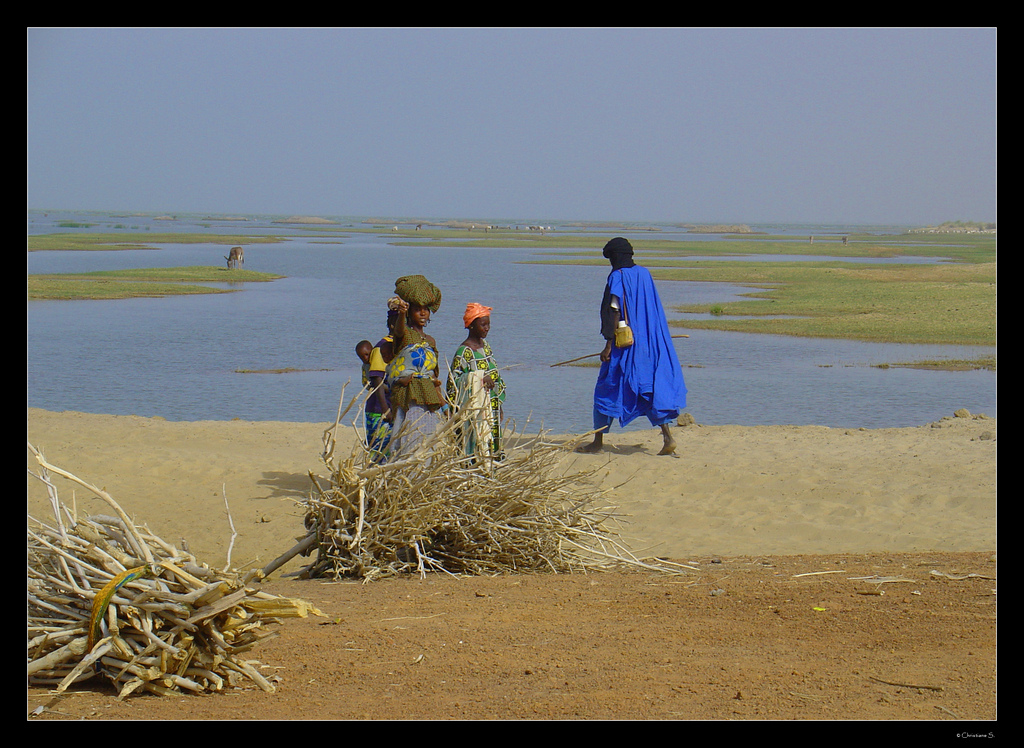
Appraiser on the Environment: The Case of Inner Niger Delta
Real estate practitioner should also be concern with the environment. As my contribution to the campaign in preserving the Inner Niger Delta River in Mali. I am sharing the summary of my paper submitted to the United Nation Environment Programme (UNEP) on how to augment the present effort on Ecosystem-based Adaptation (EbA) in Inner Niger Delta River.
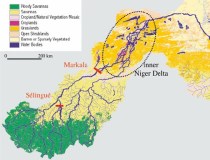
The Inner Niger Delta in Mali is a 3,000,000 hectare wetland consisting of flood plains, lakes, river branches and small pockets of flood forest. It is part of the 4.200 kilometres Niger river catchment, which flows through 10 countries before discharging in the Atlantic Ocean. It is also classified as a Ramsar site in 2004, for its extraordinary importance having a large range of water dependent plant and animal species.
The Inner Niger Delta is vulnerable to climate change, deforestation, flooding and loss of livelihood of fishermen, farmers and cattlers.
The integration of Ecosystem-based Adaptation and Ecosystem-based Disaster and Risk Reduction integration in Inner Niger Delta will bring more benefits to the people and the environment. Integrated approach of structural and non-structural projects will help restore the forest and prevent flooding and brings livelihood of the people. Furthermore, ecosystem based adaptation is more beneficial being a cost-effective measure and more effective.
There are activities currently done in the river but other measures should also be adopted like reforestation programs, construction of natural channels and water reservoir, experimentation of other suitable farming methods and more.
Reforestation will raise the water level and will help maintain the river flow. Regeneration of the tree cover will not only raise the water level of the water but this will also another source of livelihood for the people and will greatly help in preserving different flora and fauna habitat.
To prevent flooding and control rivers during heavy rains there should be natural channels and water reservoirs to be constructed.These structures could re-channel the waters to the reservoir and be absorb by the soil naturally.
Non-structural measures includes reforestation of riparian areas and strengthening of organization framework for disaster management. These projects and land restoration initiatives increases soil structure and thereby improved the watersheds ability to hold and store water.
In the agricultural village, the effect of climate change are the drying up of the soil vegetation and irrigation system . There should be innovation and experimentation with traditional farming methods and agroforestry techniques. Depending on the soil characteristics, with the above measures, people can have a better crop yields, regeneration of tree cover, as well as other additional economic and environmental benefits.
Coordination among the stakeholders and users of the river should be implemented.There should be coordination among the population in upstream and downstream part of the river with regards to the use of the river. Creation of water governance bodies in downstream and upstream and a bigger bodies that coordinates all the stakeholders. This body will conduct mapping of the entire area and pinpointing the possible or potential area that are prone to disaster and hazards.At the same time, conduct training on preparedness on different hazard events.
These measures needs people support and to achieve it, there should be a massive information and educational campaigns and conduct of trainings among the populace.
Maintenance of water flows in Inner Niger Delta is a major campaign to help preserve our wetlands. We should throw our support and give our next generation a chance to benefit the beauty of nature and the ecosystem.
I hope this was interesting to you. Thanks for being here.

Appraisal 101: How an appraisal is done
It has been a normal scene for prospective client and practitioners to ask an appraiser for the value of a certain property. Some people also thought that after site inspection, an appraiser can render a value opinion already. So, there is a need to answer questions on how an appraisal is done? And why it is important to follow the process?
Appraisal may seem as a simple and fast process. An appraiser shows up at a property for a short time with a camera and tape measure and that’s it. However, the property inspections are only a part of a big process. A typical appraisal report requires 12 to 13 combined hours by appraiser and staff to complete.
Ordering an Appraisal
The process usually begins when a client call or visit the appraiser to order an appraisal. In the telephone or in-person conversation, the appraiser will asks data of the property such as title, building plan, tax declaration, as well as preliminary information of the client, and agree on the scope of work and professional fee. The most important is scheduling of the site inspection.
Identifying the Property
In preparation for the site inspection, the appraiser will study the documents provided by the client focusing on the location, shape and size of the lot, design of the house and decide on what valuation approach that he will use. Additional research will be done in different government offices for the identification of the property.
The Site Visit
Then the appraiser conducts a careful physical inspection of the property and the neighborhood. Take photographs and verify area measurements. Don’t worry about the kids, toys or household disorder. The appraiser is looking at the structure, condition and features of your home.
The appraiser will also roam the neighborhood to observe, estimate the distance between known landmarks in the area. Also, to look for any factors and characteristics that may affect the value of the property, and searching for comparable properties or “comps”. In the language of appraisal, ‘comps’ are sales and listings available in the market.
Pulling It All Together
Next, the appraiser performs in depth analysis of all of the available data. Returning to office is crucial part of the appraisal process. The appraiser will gather all the information about the properties and the financial aspects. Make phone calls to agents, government offices and other parties involved in the transactions to confirm observations or to gather more information. Examine the title and tax declaration for any encumbrance, annotation and non-compliance with the law. Often, property information from several sources is in conflict and it is the appraiser’s task to determine the true state of affairs by means of research, experience and good judgment.
Guided by the principles of appraisal, he will analyze the neighborhood, market, zoning, the predominant use of the area and determine the highest and best use of the property, as vacant and as improved.
In using market data approach, the appraiser will select at least three comps, but generally four or five are necessary to support the basis for the final appraised value. The appraiser makes adjustments to reflect differences in comp properties. Upgrades like painting, chandelier, air conditioners, recent redecorating, or home improvements may add value to a property.
There are other approaches or methods in valuing properties. Every approach is made to substantiate the appraiser’s opinion of market value.
Finalization of a Report
The last part is the preparation and printing of a detailed report, outlining the value of the property appraised and the approaches to value with several addenda including copies of title and neighborhood maps as well as photographs of the property.
The completed appraisal is packaged and transmitted to the client—the property owner, lawyer or company representative who ordered the appraisal.
Thus, appraisal is not a mere “opinion of value”, it follow process and guidelines set by authorities and international standards. Following thoughtful and thorough procedures will provide a complete and credible appraisal.
 Real Appraisal