
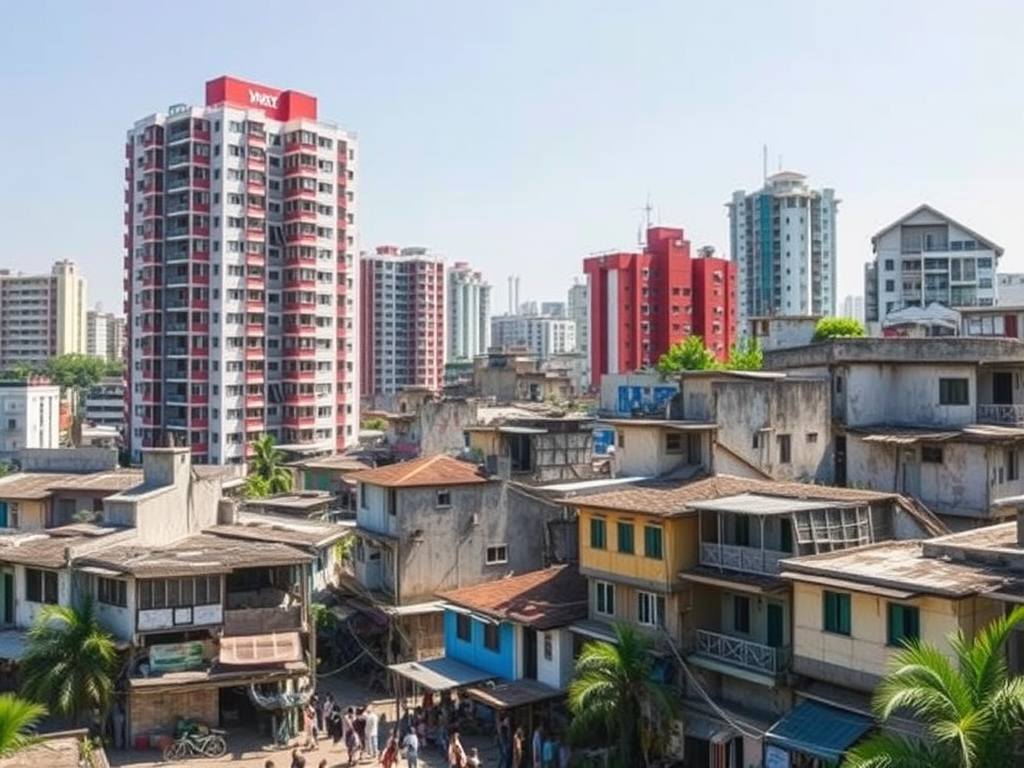
In recent months, news reports have painted a troubling picture of Metro Manila’s condominium market. The oversupply of residential units has reached concerning levels, raising questions about market stability and prompting analysts to propose various recommendations. While analysts focus on strategies to address the oversupply, there has been little to no effort to connect this phenomenon with the broader issue of unmet housing needs. This creates a puzzling paradox -on one side of the real estate spectrum, developers are grappling with excessive inventory in urban centers. On the other side, millions of Filipinos still lack access to adequate, affordable housing.
The stark imbalance highlights a deeper, systemic problem within the housing sector: a misalignment between supply and demand, where the needs of the population are not being met despite the abundance of residential units.
Currently, the oversupply in the condominium market translates to about 34 months of inventory at the current sales pace—nearly three times the ideal benchmark of a 12-month supply. Urban centers like Quezon City, Ortigas, and Pasay are particularly affected, with thousands of unsold units. For example, Quezon City alone has 18,500 available units, followed by Ortigas with 13,500 and Pasay’s Bay Area with 10,500. Meanwhile, high-end areas like Makati and Bonifacio Global City maintain lower inventories, reflecting steadier demand in the luxury segment.
The reasons behind this oversupply are multifaceted. High interest rates, external economic pressures, and shifting consumer preferences towards single-detached homes in suburban areas have all played a role. Developers, driven by the high returns in the mid- to high-tier condominium market, have focused on urban centers, inadvertently creating a bubble of excess inventory in certain locations.
On the other side of this paradox lies the staggering national housing backlog of 6.5 million units. This deficit primarily affects low- to middle-income families who cannot afford the properties being developed. In Central Visayas alone, the housing need is over half a million units, and while government programs like the Pambansang Pabahay para sa Pilipino Program (4PH) aim to address the backlog, progress has been slow. For instance, in Central Visayas, the Department of Human Settlements and Urban Development (DHSUD) has set a modest target of 13,000 housing units under 4PH—far from the region’s actual needs.
This paradox underscores a severe mismatch between the type of housing being supplied and the housing people need. The oversupply is concentrated in mid- to high-tier condominiums in urban areas, which are unaffordable to most Filipinos. Meanwhile, the housing backlog affects families who struggle to find even basic, affordable shelter. Rapid urbanization has driven developers to focus on city centers, where demand for high-end properties has slowed, while the needs of provincial and low-income communities remain unmet.
This misalignment has wide-ranging implications. Developers face financial losses as unsold inventories pile up, while families without access to affordable housing continue to live in substandard conditions. The situation also affects the broader economy, as stagnation in urban property markets and inadequate housing solutions limit economic mobility and growth.
To address this complex challenge, a coordinated effort is needed. Policymakers, developers, and stakeholders must work together to realign the market. Incentivizing developers to prioritize affordable housing, particularly in areas with high backlogs, is essential. Improving transportation infrastructure to make suburban housing more accessible can also help ease the concentration of developments in urban areas. Additionally, accessible financing options for low- to middle-income families, public-private partnerships, and stricter regulations to prevent future oversupply are crucial steps.
The coexistence of housing oversupply and a massive backlog highlights fundamental flaws in the Philippine real estate market. Solving this paradox requires a shift in priorities—from catering mainly to profit-driven urban developments to addressing the genuine housing needs of the majority. By doing so, the sector can foster sustainable growth, improve living conditions, and create a more equitable future for all Filipinos.
The solution to the Philippine housing paradox lies not in shifting the focus of condominium developments to other regions but in prioritizing the unmet demand for affordable housing. The fundamental issue is not merely the geographic concentration of real estate projects but the failure to align supply with the genuine needs of the population. Addressing this misalignment is key to resolving both the oversupply and the housing backlog.
Augusto B. Agosto is a passionate blogger, economist, university professor, and thought leader in real estate and urban development. With extensive experience in analyzing economic trends and real estate dynamics, he offers insightful perspectives on pressing issues such as housing, land use, and property market trends in the Philippines.
 Real Appraisal