
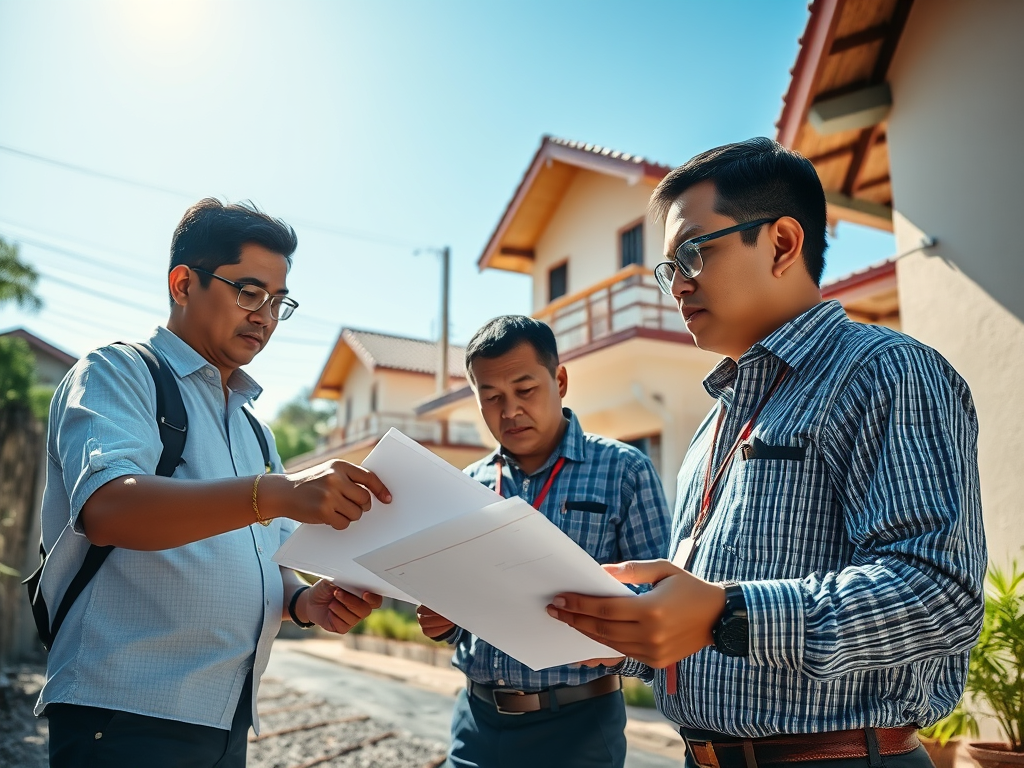
Valuation is a cornerstone of informed decision-making across industries, including real estate, agriculture, manufacturing, and engineering. It involves assessing value for various purposes, such as sales, taxation, insurance, and investment. Given its complexity, valuation has emerged as a multidisciplinary practice, bringing together professionals from diverse fields to ensure accuracy, reliability, and comprehensive results.
In the Philippines, various laws regulate professionals involved in valuation, ensuring that each operates within their defined scope of expertise. Real estate appraisers are governed by Republic Act No. 9646, also known as the Real Estate Service Act of the Philippines. This law establishes the standards for the licensure, practice, and professional conduct of real estate appraisers, granting them the authority to assess and determine the value of real estate properties, including land, buildings, and improvements.
For agricultural and biosystems engineers (ABEs), their practice is regulated by Republic Act No. 10915, the Philippine Agricultural and Biosystems Engineering Act of 2016. This law authorizes ABEs to perform valuations of agricultural and biosystems machinery, equipment, structures, and facilities, as well as agricultural engineering projects such as irrigation systems and farm infrastructure. Joint Resolution No. 1, Series of 2022, further clarifies the complementary roles between ABEs and real estate appraisers, stating that ABEs’ valuation reports for agricultural assets can serve as references for real estate appraisers when valuing agricultural properties.
Mechanical engineers, on the other hand, are governed by Republic Act No. 8495, known as the Philippine Mechanical Engineering Act of 1998. This law allows mechanical engineers to engage in the valuation of mechanical systems and equipment, such as HVAC systems, boilers, power plants, and other industrial machinery. Their valuations typically focus on the technical and operational aspects of machinery, assessing factors like depreciation, replacement costs, and operational efficiency, particularly in industrial or commercial properties. Similarly, other specialized professionals, such as electrical engineers regulated under Republic Act No. 7920 (The Philippine Electrical Engineering Law), contribute to the valuation process, particularly for properties with complex electrical systems. Architects, regulated by Republic Act No. 9266 (The Architecture Act of 2004), may also be involved in valuing buildings and structures, focusing on the design and construction aspects of real estate.
Each of these laws ensures that professionals work within their areas of expertise, providing accurate and legally compliant valuations. While real estate appraisers focus on the overall property value, agricultural and biosystems engineers and mechanical engineers bring specialized knowledge to appraise agricultural systems, machinery, and industrial equipment. Their collaborative roles, as outlined in Joint Resolution No. 1, Series of 2022, ensure that properties with specialized components, such as agro-industrial estates, are valued comprehensively and accurately. This multidisciplinary approach, guided by their respective laws, guarantees a thorough and credible valuation process that benefits all stakeholders involved.
Real estate appraisers are at the core of property valuation, focusing on land, buildings, and other real estate. They assess market conditions, zoning laws, and property improvements to provide a comprehensive valuation report. Their work is primarily guided by RA 9646 in the Philippines. However, in properties with specialized components, such as agricultural systems or mechanical infrastructure, real estate appraisers often rely on the input of other professionals. Agricultural and biosystems engineers, for example, are authorized under RA 10915 to assess agricultural assets like irrigation systems, silos, and other farm-related infrastructure. Their specialized knowledge is particularly crucial when valuing agricultural properties or agro-industrial estates. Similarly, mechanical engineers, as outlined in the Philippine Mechanical Engineering Act, can assess the value of mechanical equipment and machinery, such as HVAC systems, boilers, and industrial machines. These engineers evaluate factors like depreciation, operational value, and replacement costs, which are important for properties with significant mechanical infrastructure.
The interplay between these professions ensures a comprehensive approach to valuation. For example, in industrial properties, mechanical engineers evaluate the machinery and systems, while real estate appraisers integrate these technical valuations into the overall property value. In agricultural settings, ABEs assess farming equipment and infrastructure, and real estate appraisers consider these factors alongside land and property values to determine the total worth. The collaboration of these professionals leads to more accurate and thorough appraisals, addressing both the real estate and specialized components of a property.
This multidisciplinary approach to valuation offers numerous benefits. It ensures accuracy, as each expert contributes their specialized knowledge to different aspects of the property. It also provides a comprehensive valuation, incorporating everything from land value to the worth of machinery or agricultural systems. Moreover, it guarantees regulatory compliance, as each professional operates within their legal scope—real estate appraisers under RA 9646, and ABEs and mechanical engineers under their respective laws. Finally, it fosters stakeholder confidence, as the valuation reports produced are detailed, reliable, and credible, providing property owners, investors, and other stakeholders with the information they need to make informed decisions.

 Real Appraisal